How to Analyze Rental Property Potential
If you are considering a rental property as an investment, your first step should be understanding whether the property can support your financial goals.
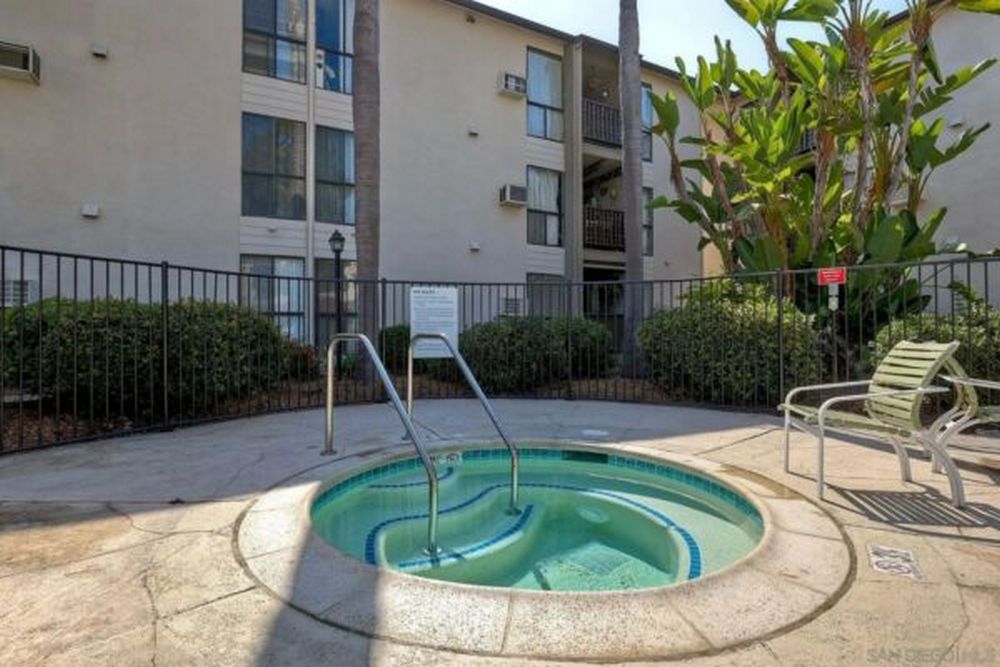
If you are considering a rental property as an investment, your first step should be understanding whether the property can support your financial goals. A rental home may generate monthly income, build equity over time, and potentially appreciate in value, but those benefits depend on the property’s purchase price, rental income, operating expenses, financing, and location. Start by estimating the rent you could reasonably receive based on comparable rental properties in the same area. Avoid using an unusually high rental estimate simply because it makes the numbers look attractive. Also calculate expenses such as property taxes, insurance, maintenance, utilities you may cover, property management, vacancy periods, and homeowners association fees, when applicable. If you are financing the purchase, include the complete monthly mortgage payment in your analysis. The difference between expected rental income and operating expenses can give you a preliminary idea of the property’s cash-flow potential. You should also keep funds available for unexpected repairs and periods when the property may not be occupied. Evaluate a rental property based on realistic numbers rather than optimistic assumptions. By building a complete financial picture before making an offer, you can determine whether a particular property deserves further consideration and avoid overlooking costs that could reduce your returns.
Evaluate Location and Rental Demand
Location can strongly influence the long-term potential of a rental property. Tenants typically consider commute times, employment opportunities, schools, shopping, dining, recreation, public transportation, and neighborhood character when choosing where to live. A property in a convenient location may attract a larger pool of prospective tenants and potentially experience more consistent demand. When comparing San Diego communities, consider how each location fits the type of renter you hope to attract. A property near major employment centers may appeal to professionals, while a home close to parks, schools, and recreational amenities may be more attractive to families. Areas such as Del Cerro and San Carlos can provide different housing options and neighborhood characteristics worth considering as part of your investment research. You should also examine nearby rental listings and recently leased properties to understand the local market. Look at the types of homes available, asking rents, property sizes, amenities, and how long comparable properties remain available. High asking rents do not necessarily mean you will achieve that amount, so recently leased properties can provide useful context. Strong rental demand, combined with a suitable purchase price, can support a healthier investment strategy.
Calculate Your Cash Flow and Potential Return
Once you understand potential rent and expenses, you can begin calculating whether the property produces acceptable cash flow. Start with projected annual rental income and subtract expected operating expenses to estimate the property’s net operating income. If you are using financing, you can then account for mortgage costs to understand your anticipated cash flow after debt service. Consider vacancy because you may not receive rent every month of the year. Even a property with strong demand can experience periods between tenants, along with costs related to turnover, cleaning, repairs, or marketing. You should also estimate ongoing maintenance rather than assuming every dollar of rent becomes profit. Major systems eventually require attention, and preparing for those expenses can make your investment plan more realistic. Beyond monthly cash flow, you may also evaluate potential appreciation, equity growth from mortgage payments, and tax considerations with qualified financial or tax professionals. Different investors prioritize different outcomes. You may prefer a property that generates higher monthly income, while another investor may accept lower cash flow because of the property’s location and long-term appreciation potential. Understanding these distinctions helps you select properties that fit your specific investment objectives instead of relying on a single return metric.
Consider the Property’s Condition and Future Expenses
A rental property’s condition can significantly affect both your investment costs and tenant appeal. A property that needs extensive repairs may seem inexpensive compared with renovated alternatives, but renovation costs can quickly change the financial calculation. Before purchasing, consider the condition of the roof, plumbing, electrical systems, heating and cooling equipment, appliances, windows, flooring, and other major components. A professional inspection can provide valuable information about potential issues, although no inspection can predict every future repair. You should also consider how the property’s features compare with competing rentals. Updated kitchens, functional bathrooms, laundry facilities, parking, outdoor areas, and efficient appliances may make a property more appealing to prospective tenants. However, evaluate improvements based on their potential contribution to rental demand and long-term value. Spending heavily on luxury finishes may not make financial sense if comparable properties in the area achieve similar rents without those upgrades. You should also review any homeowners association rules if the property is in an HOA, particularly if there are restrictions on rentals, leases, occupancy, or property modifications. Understanding these factors before purchasing can help you estimate your actual investment costs more accurately.
Build a Rental Strategy Around Your Long-Term Goals
Analyzing rental property potential requires looking at the entire investment rather than focusing on the purchase price or projected rent alone. Your evaluation should include location, rental demand, purchase price, financing, operating expenses, maintenance, vacancy, property condition, and potential long-term value. You should also determine how involved you want to be with the property. Managing tenants, maintenance requests, inspections, and leasing responsibilities yourself may reduce management expenses but requires significant time and attention. Hiring professional property management adds a cost but may make ownership more convenient. Your investment strategy should reflect both your financial objectives and the level of involvement you are comfortable with. Whether you are considering a rental property in Del Cerro, San Carlos, or another San Diego community, local market knowledge can help you compare properties and understand the factors that influence rental demand and property values. Contact us today to explore how her local real estate expertise and personalized guidance can help you evaluate rental property opportunities, compare potential investments, and make informed decisions that align with your financial and long-term real estate goals, with professionalism, insight, and a shared commitment to meaningful results.