Custom Home vs. Existing Home: Which Is Better?
Choosing between a custom home and an existing home can shape your entire homebuying experience, from your initial budget to the features you enjoy every day.
Choosing between a custom home and an existing home can shape your entire homebuying experience, from your initial budget to the features you enjoy every day. With an existing property, you can usually see the finished layout, assess the home’s condition, and picture how your household could use each room before making an offer. A custom home offers a different experience because you have more influence over the floor plan, finishes, materials, and features that become part of the finished property. Your priorities, timeline, budget, and preferred location can help determine which option makes more sense. You may appreciate the convenience of purchasing a home that is already built and ready for occupancy, especially when you want to move within a specific timeframe. On the other hand, designing a home from the ground up can appeal to you when finding an existing property that matches your needs has been difficult. You can prioritize features that matter most to your lifestyle instead of adapting your preferences to an established floor plan. Both choices have advantages, but understanding the differences can help you approach your purchase with clearer expectations and a better sense of what you want in your next home.
The Benefits of Buying an Existing Home
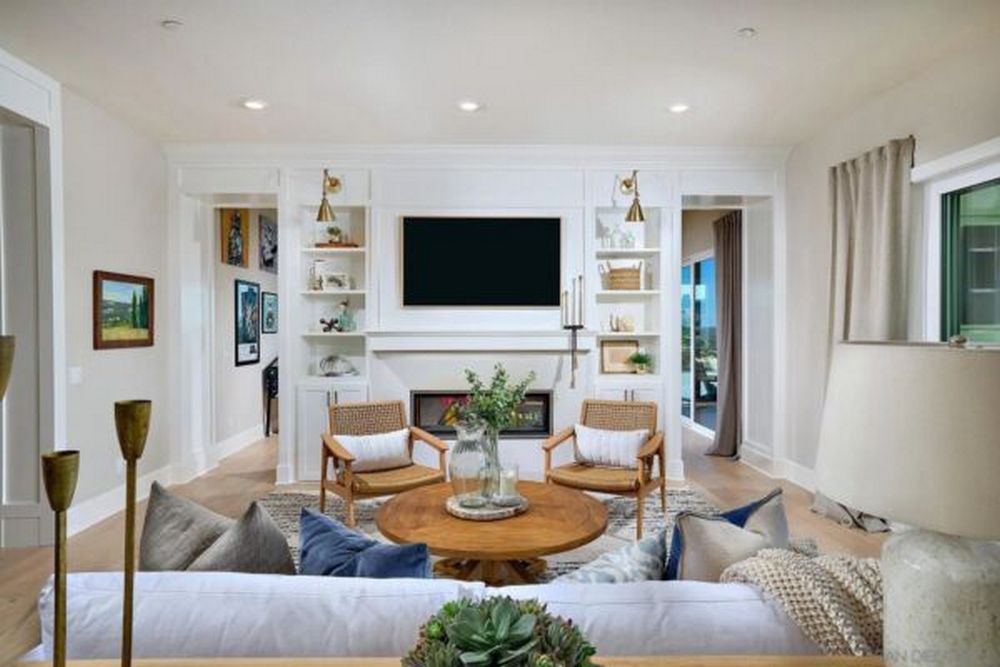
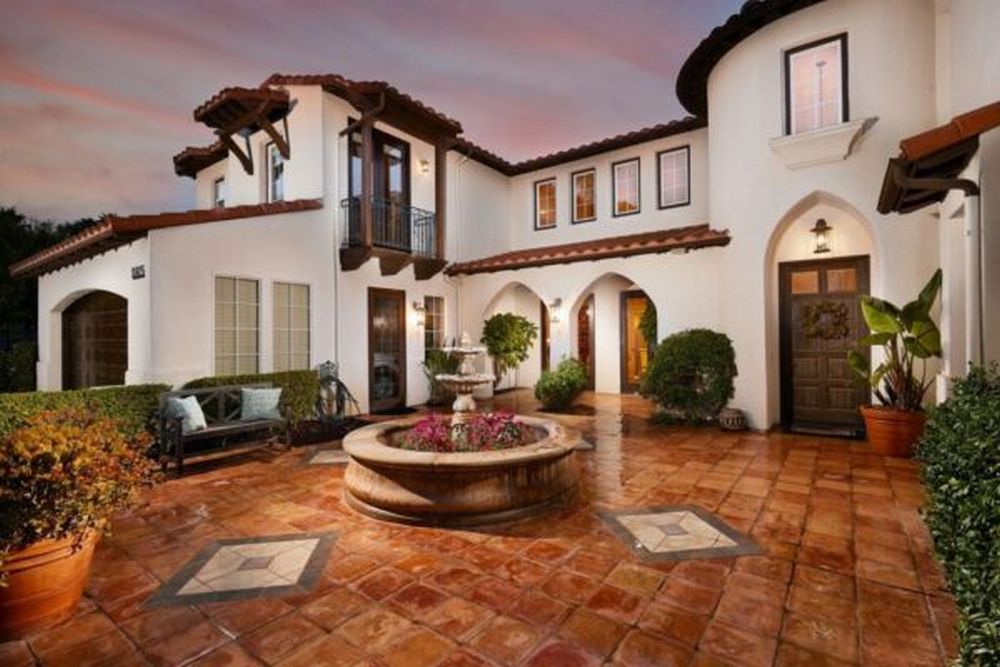
An existing home can offer convenience that makes the buying process appealing, especially when you want to move relatively soon. You can tour the actual property, examine its rooms and outdoor areas, and get a sense of how the home fits your daily routines before committing to a purchase. You can also evaluate the surrounding neighborhood, nearby amenities, traffic patterns, schools, parks, shopping, and other factors that influence your lifestyle. An existing property may already have landscaping, appliances, window coverings, storage solutions, upgraded finishes, and other features that would otherwise require additional planning. Depending on the home’s age and condition, you may also have opportunities to make improvements gradually rather than managing a large construction project all at once. Still pay close attention to the property’s major systems and overall condition, because an attractive interior doesn’t necessarily mean every component is in excellent shape. A professional inspection can provide useful information about the roof, plumbing, electrical systems, HVAC equipment, foundation, and other significant features. When you consider an existing home, you can balance its current condition against its location, price, layout, and potential for future improvements. This approach can help you determine whether a property already provides most of what you need or whether the required changes would make another option more practical.
Why a Custom Home May Fit Your Lifestyle
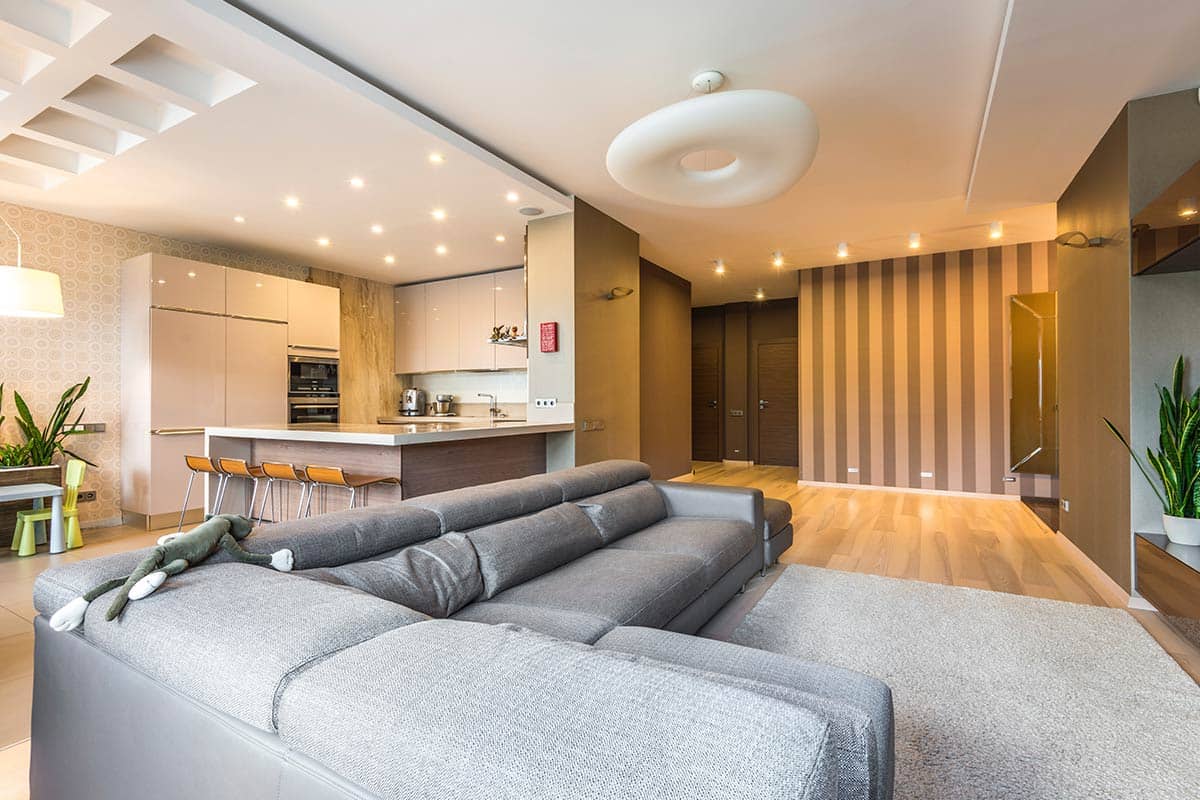
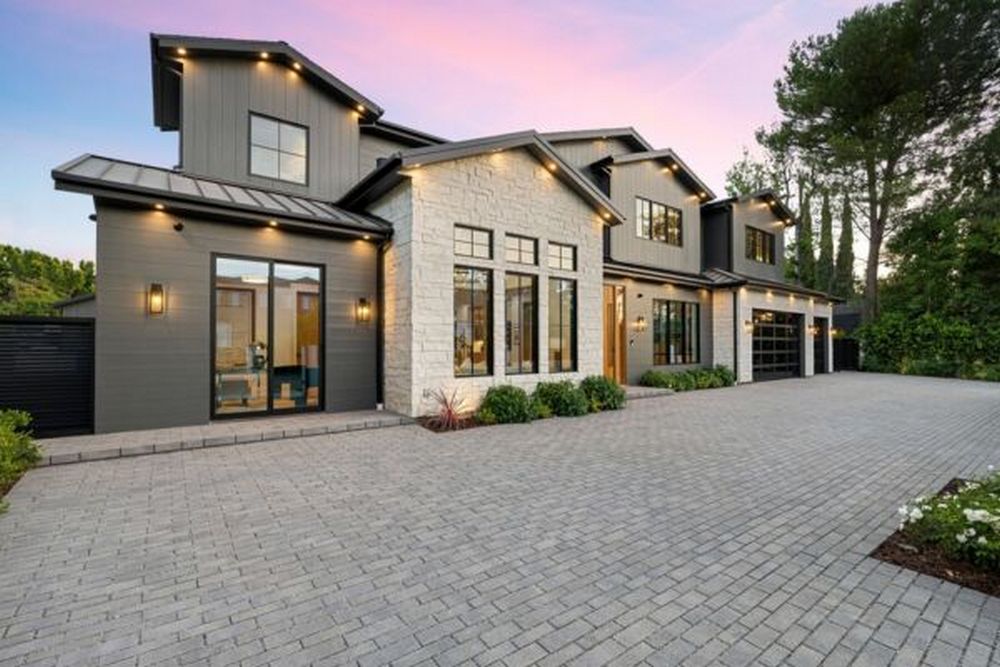
Building a custom home gives you much more control over how your living space is designed. Instead of starting with someone else’s floor plan, you can make decisions based on the way you actually use your home. You may want a larger kitchen for entertaining, a dedicated home office, additional storage, wider hallways, an accessible primary suite, a larger garage, or carefully planned outdoor living space. You can also choose materials, fixtures, flooring, cabinetry, lighting, windows, appliances, and other finishes to match your preferences. This level of personalization can be especially appealing when your needs are very specific or when existing homes in your preferred location consistently require significant modifications. However, customization also requires patience and careful planning. You may need to spend considerable time making design decisions, reviewing plans, selecting materials, obtaining approvals, and coordinating the construction process. Costs can also change as you add features or modify the original plans, so it’s important to set a realistic budget and understand what’s included. Your location matters too, because finding a suitable lot in a community you love may be harder than finding an existing home there. If you appreciate the lifestyle offered by areas such as Oceanside or nearby communities, you may need to weigh the availability and cost of buildable properties against existing homes that are already on the market.
Comparing Cost, Time, and Location
Your decision between a custom and existing home should account for more than the initial purchase price. With an existing home, you can generally evaluate the asking price alongside comparable properties and estimate the cost of any improvements you want to make. You also have a clearer idea of the property’s finished condition before purchasing. A custom home involves additional financial considerations, including land acquisition, design, permits, construction, materials, labor, landscaping, and other project expenses. The construction timeline can also take much longer than buying and moving into an existing property. Delays caused by permitting, material availability, weather, design changes, or construction issues can affect your plans. Location should remain one of your top priorities because you cannot easily change where a property sits after you buy it. You may prefer an existing home because it allows you to live in an established neighborhood with mature landscaping, existing infrastructure, and convenient access to amenities. A custom home may make more sense when you are willing to search for the right lot and accept a longer timeline in exchange for greater control over the finished property. Communities such as Olivenhain show why location and lifestyle considerations deserve careful attention, especially when you value a distinctive residential setting. Comparing these factors together can help you avoid focusing too heavily on one part of the decision.
Choosing the Home That Matches Your Goals
There is no single answer to which option is better because the right choice depends on what you want from your purchase and how much flexibility you have with your budget and timeline. An existing home may suit you when convenience, established neighborhoods, immediate occupancy, and seeing the finished property are top priorities. A custom home may be a stronger fit when personalization, specific design requirements, and long-term plans matter more than speed and simplicity. You can also consider a third option: buying an existing home with strong renovation potential, which lets you personalize the property without starting entirely from scratch. Before deciding, consider your current needs and how they may change over the next several years. Consider your preferred communities, commute, lifestyle, budget, desired features, maintenance expectations, and willingness to manage a construction project. Professional real estate guidance can help you compare available properties, evaluate market conditions, assess potential opportunities, and make decisions based on your individual priorities. Contact us today to explore how her local expertise and personalized real estate guidance can help you compare custom and existing homes, evaluate your options, and choose a property that aligns with your goals, with professionalism, insight, and a shared commitment to meaningful results.