Complete Home Inspection Checklist for Buyers
Your home inspection checklist should also cover the major systems that keep the property functioning every day.
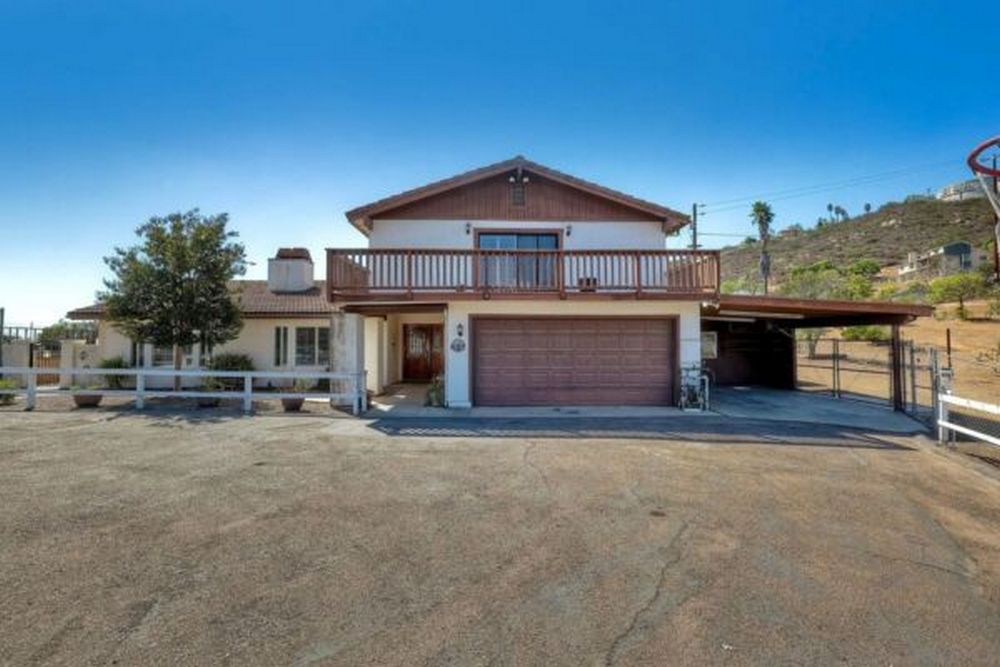
When you schedule a home inspection, you want to know much more than whether the property looks attractive from the street. A complete inspection lets you examine the home’s condition and identify concerns that may not be obvious during a showing. Start your checklist with the exterior, including the roof, siding, stucco, foundation, windows, doors, gutters, drainage, and visible structural components. Look for cracked surfaces, signs of moisture, damaged roofing materials, deteriorated trim, or areas where water may collect near the foundation. Also pay attention to the grading around the property, because poor drainage can contribute to moisture problems over time. In a market such as La Mesa, where you may encounter homes of different ages and construction styles, an exterior inspection can be especially useful for understanding what you are actually purchasing. Ask questions about any visible repairs, additions, or alterations that appear to have been made to the property. Even when an issue seems minor, knowing about it before closing gives you more time to discuss your options. Your inspection should not be limited to identifying obvious damage. It should help you understand the home’s overall condition so you can decide with greater confidence.
Examine the Roof, Attic, and Structural Areas
The roof is one of the most important parts of your home inspection because repairs or replacement can represent a significant expense. Your inspector should look for missing, damaged, or deteriorated roofing materials, visible leaks, flashing concerns, and other conditions that may affect the roof’s performance. If the home has an accessible attic, the inspection should also include that area. You can learn a great deal from an attic inspection, including whether there are signs of moisture, inadequate ventilation, damaged insulation, or conditions that may point to a roof problem. You should also have the visible foundation and structural components reviewed for cracks, shifting, water intrusion, or other concerns. Not every crack automatically indicates a serious structural problem, but it deserves attention and context. You may also want to review the condition of porches, decks, stairs, railings, and other exterior structures that you could otherwise overlook during a standard property tour. A thorough inspection can help you distinguish between routine maintenance needs and conditions that may require professional attention. If you are buying an older home, these areas become even more important because years of exposure and previous repairs can affect components in ways that aren’t immediately visible. Taking the time to review these areas can help you better understand potential future costs before you finalize your purchase.
Check Plumbing, Electrical, and HVAC Systems
Your home inspection checklist should also cover the major systems that keep the property functioning every day. For plumbing, check visible supply lines, drains, fixtures, water heaters, and other accessible components for leaks, corrosion, damage, or improper installation. Also pay attention to water pressure, drainage, and signs of previous water problems. Electrical components deserve similar attention. Your inspection should include accessible wiring, outlets, switches, electrical panels, and other visible components to identify conditions that may need further evaluation. You should also have the heating and cooling system examined to determine whether it operates properly and whether there are visible signs of wear or damage. Depending on the property, you may also want to review ventilation, ductwork, fireplaces, and other installed systems. When comparing homes in areas such as La Mesa, knowing the condition of these major systems helps you evaluate properties beyond their appearance, layout, and asking price. A home with a lower purchase price may require substantial system repairs, while another property may have better-maintained components that provide greater value over time. Your inspection report can give you important information to discuss with your real estate professional and help you decide which findings deserve immediate attention, additional evaluation, or future maintenance.
Review Interior Rooms and Safety Features
Inside the home, your inspection should cover every accessible area, not just the kitchen and bathrooms. Check walls, ceilings, floors, windows, doors, stairs, railings, cabinets, and other visible components for damage or signs of moisture. Pay close attention to stains, unusual odors, warped materials, cracked surfaces, or other conditions that could indicate a larger issue. Your checklist should also include bathrooms and kitchens because these rooms contain multiple plumbing fixtures and systems that receive frequent use. Make sure appliances included with the sale are part of your overall evaluation, while remembering that a standard home inspection may not provide the same level of detail as a specialized appliance inspection. You should also review visible safety features such as smoke alarms, carbon monoxide detectors, handrails, and other accessible components. Don’t forget garages and other storage areas. Look for visible damage, moisture concerns, unsafe wiring, or conditions that may affect how you use the space. If the property has a pool, spa, solar equipment, detached structures, or other special features, determine whether additional inspections may be appropriate. A standard home inspection has limitations, so you should ask about anything that falls outside its scope. Knowing what has been inspected and what may require a specialist helps you avoid assuming that every feature has received the same level of evaluation.
Turn Your Inspection Report Into a Smart Buying Decision
Once the inspection is complete, your checklist becomes more useful when you understand how to interpret the findings. You may receive a detailed report containing maintenance recommendations, safety concerns, aging components, and items that deserve additional investigation. Not every recommendation means you should walk away from the property. Some findings may involve routine maintenance, while others could require immediate repairs or evaluation by a qualified specialist. Review the report carefully and discuss important findings with your real estate professional so you understand how they may affect your purchase. You may also want to request additional inspections when the report identifies a concern outside the inspector’s expertise. Most importantly, avoid making decisions based solely on the number of items listed in the report. Focus on the type, severity, potential cost, and urgency of each concern. When you work with an experienced Realtor, you have someone who can help you put inspection findings into the larger context of your purchase, including your budget, timeline, priorities, and goals. If you are buying a home in La Mesa or another local community, Deniese Ossey can help you approach the buying process with thoughtful guidance and local insight. Contact us today to explore how her experience and real estate expertise can support your home-buying goals with professionalism, insight, and a shared commitment to meaningful results.